
A Day at Sea in Gozo’s Fishing Tradition
Gozo, the smaller and quieter sister island of Malta, offers a unique blend of history, culture, and natural beauty. One of the island’s most enduring traditions is its fishing industry, which has shaped the lives of Gozitans for generations. The fishermen of Gozo have a deep connection to the sea, and their daily routines embody this long-standing heritage. If you’ve ever wondered what a typical day looks like for a fisherman, here’s a detailed look into the Gozitan fisherman daily life.
The Early Morning Start
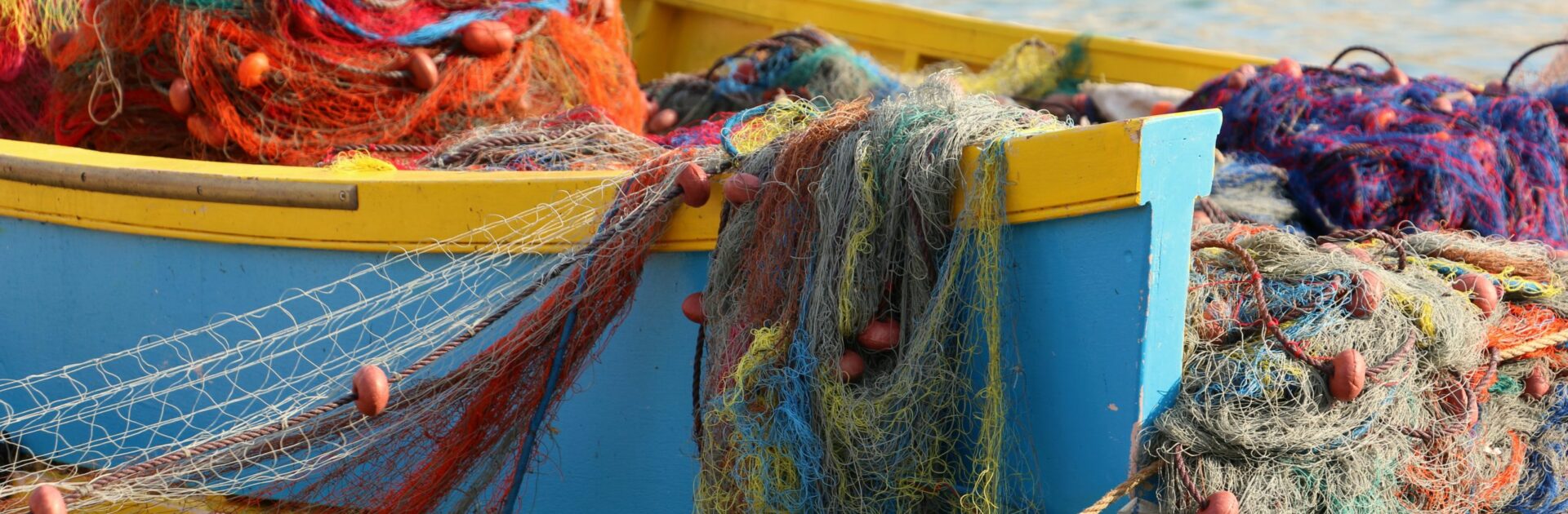
The Gozitan fisherman daily life begins before dawn, usually around 4 or 5 AM. The fisherman prepares the boat, checking nets, ropes, and fishing rods. Boats rest at small harbors like Mgarr, Xlendi, or Marsalforn, and their sturdy build helps them face rough waters. For many fishermen, this early start is peaceful, and the calm surroundings bring quiet reflection.
Before heading out, the fisherman eats a light breakfast, often bread with olive oil, honey, or a hot coffee. After loading supplies, he sets off while the sea remains calm and the horizon glows with the first light. Depending on the catch sought and the season, the trip to the fishing grounds takes 20 minutes to an hour. Therefore, timing and preparation play a big role in success.

Setting Out to Sea
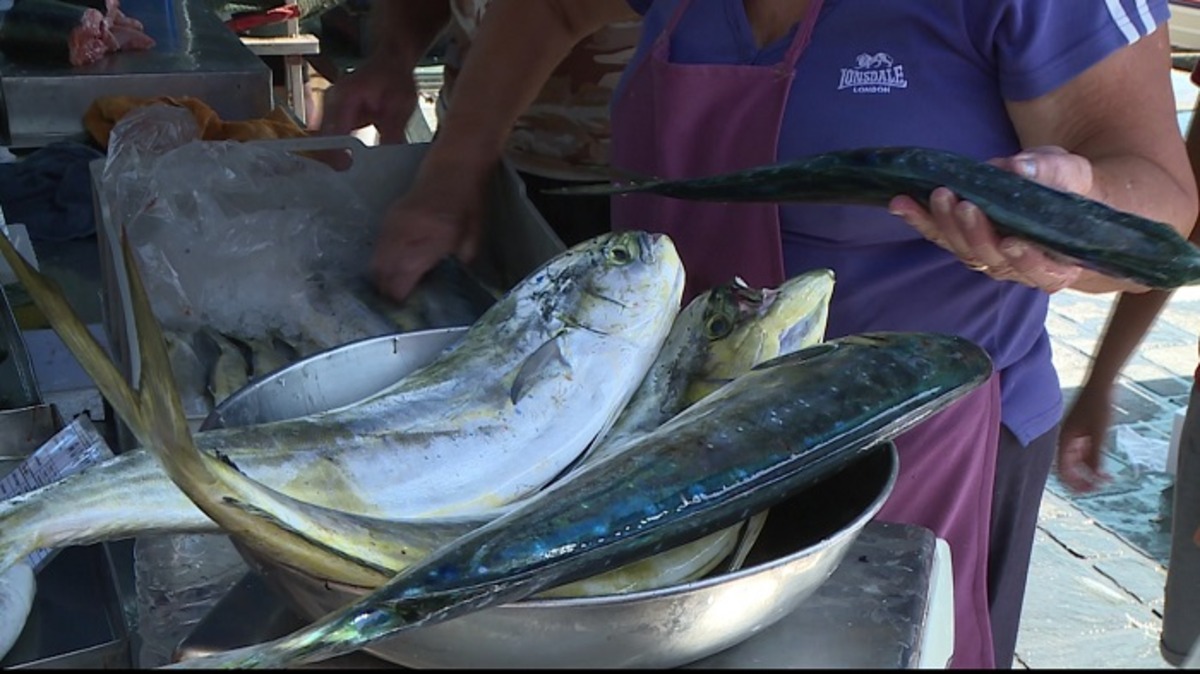
Fishing in Gozo is an ancient practice, and methods have passed from one generation to another. Some fishermen rely on traditional techniques for lampuki (dorado), while others chase tuna, swordfish, or octopus.
Once at sea, the fisherman combines inherited skills with modern tools. He casts nets, baits lines, and works with precision. Most boats are small, often with one or two men, so teamwork matters. In addition, their bond with the boat grows through years of shared challenges on the water.
Experienced eyes read the sea for signs of fish. Birds diving, shifting waves, or a sudden change in color reveal where to cast. Meanwhile, the atmosphere stays quiet, broken only by waves, bird calls, and the steady rhythm of nets sliding in and out of the water.
The Hard Work That Shapes the Gozitan Fisherman Daily Life
Fishing demands strength, patience, and skill. Some days bring abundant catches, while others leave the nets nearly empty. When swordfish take the bait, the battle can last hours.
The fisherman stores each fish in iceboxes or coolers to keep it fresh. He relies on knowledge of tides, currents, and weather to decide when to head back. As a result, experience, built over generations, guides every choice and helps him balance risk and reward. The rhythm of the Gozitan fisherman daily life depends heavily on nature’s moods.
Returning to the Harbor and Sharing the Catch
By midday, most fishermen return to shore. A boat full of fish marks a good day, but even small catches hold value. The journey home often challenges them as much as the hunt, since the Gozitan sea can turn rough without warning.
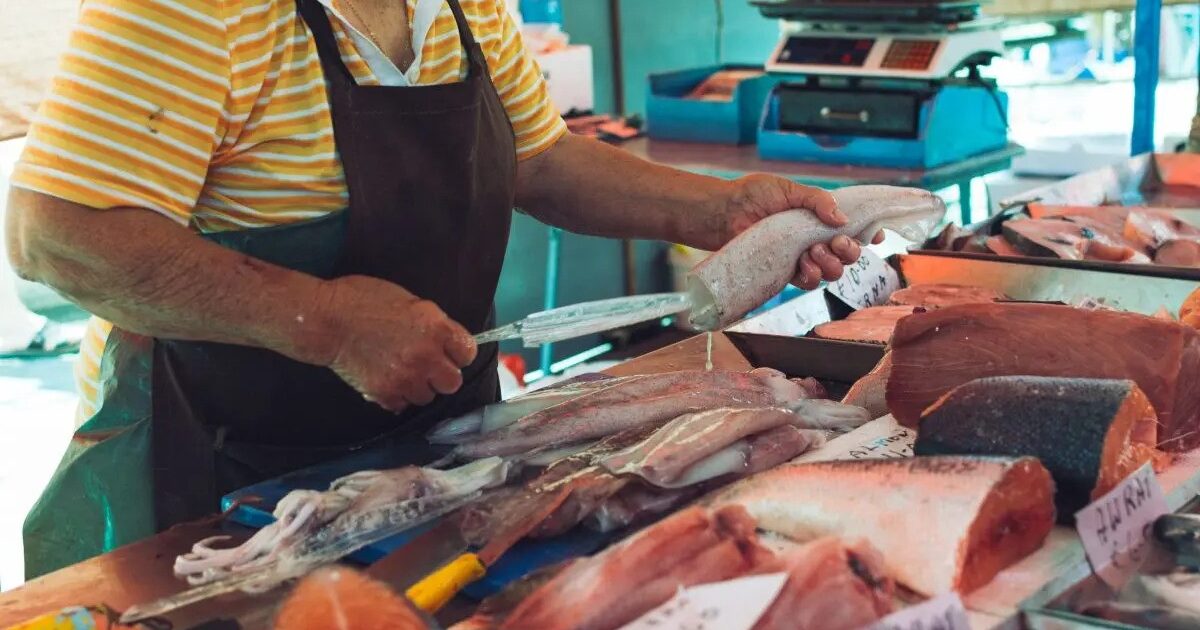
At the harbor, the fisherman unloads the catch and prepares it for market. Many sell directly at the Victoria (Rabat) fish market, where locals and visitors eagerly search for fresh seafood. Moreover, personal connections matter, and regular customers often buy from fishermen they know and trust. These moments turn business into community.
Rest and Reflection
After hours at sea, work still continues. The fisherman washes nets, checks ropes, and repairs damaged gear. In fact, maintaining equipment saves money and secures tomorrow’s success.
Evenings belong to family. Around the dinner table, households enjoy meals made from the day’s catch. Fish soup, pasta with seafood, or grilled fish with vegetables bring nourishment and tradition together. Finally, as the sun sets over the Mediterranean, the fisherman reflects on his day, proud of a role that has supported Gozo for centuries.
Modern Challenges in the Gozitan Fisherman Daily Life
The Gozitan fisherman daily life faces new pressures. Overfishing, environmental changes, and stricter regulations reshape the industry. Rising sea temperatures also shift migration patterns.
Despite these challenges, fishermen adapt. For example, many adopt sustainable practices, focusing on smaller-scale, artisanal fishing. This approach values quality over quantity and attracts customers who seek responsibly caught seafood. Thus, tradition continues while adapting to modern needs.
A Connection to the Land and Sea
Fishing in Gozo is more than a job, it’s a way of life. It ties people to the rhythms of the Mediterranean and honours traditions passed down for centuries. Each trip to sea adds a new chapter to a story shared by the island and its people.
Visitors often glimpse this tradition first hand. By buying fish at the market or enjoying seafood at a restaurant, they connect to the work of the fishermen. Consequently, the Gozitan fisherman daily life shows how the people of Gozo stay bound to the sea, preserving culture and heritage with every catch.
Conclusion: Why the Gozitan Fisherman Daily Life Endures
The life of a Gozitan fisherman may look simple, but it demands skill, strength, and respect for nature. Their craft blends tradition with adaptation, ensuring survival and continuity. Therefore, dedication to fishing remains central to Gozo’s identity and guarantees that the island’s maritime heritage will thrive for generations.