
Gozo’s Unique Architecture: A Blend of Old and New
Gozo, the serene sister island of Malta, is renowned for Gozo’s unique architecture. It blends tradition with modernity. From centuries-old farmhouses to contemporary eco-friendly residences, the island’s built heritage tells a story of resilience and respect for history. In this blog, we explore Gozo’s unique architecture and show how it evolves while keeping its authentic character.
Traditional Gozitan Architecture
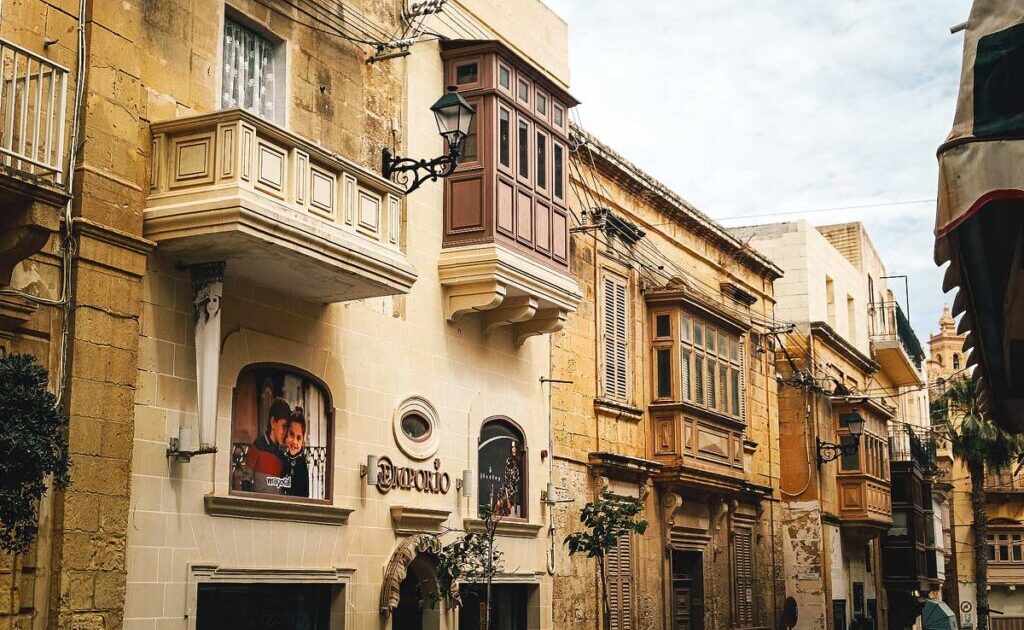
Gozo’s architectural identity stems from its rich history. Over the centuries, various civilizations have shaped the island. The locals mainly construct traditional buildings from limestone, which gives them a warm, honey-coloured hue and makes them durable.
Gozitan Farmhouses
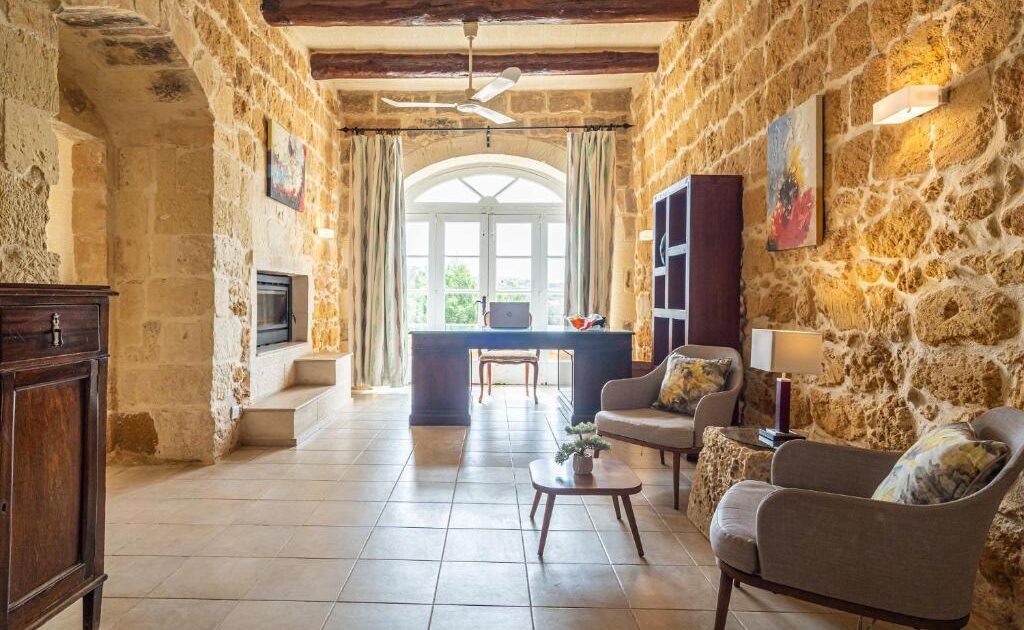
One iconic element in Gozo is the traditional Gozitan farmhouse. Many date back hundreds of years. Originally, farmers built these homes to meet practical needs. They designed thick stone walls to insulate against summer heat and winter winds. Many feature central courtyards, arched doorways, and carved stone balconies, giving them a rustic yet elegant look.
Today, owners carefully restore many farmhouses and convert them into holiday homes or boutique accommodations. They add modern comforts like pools and open-plan interiors while preserving authentic features.
Baroque Churches
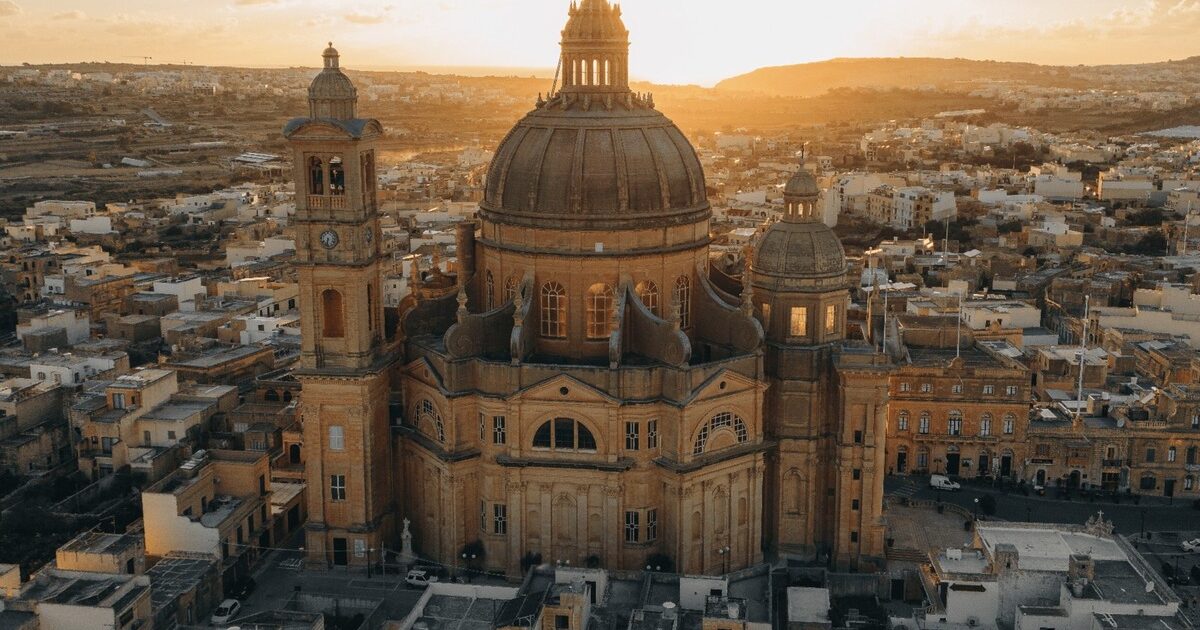
Gozo’s churches and chapels often appear grand compared to the villages they serve. Builders mostly designed these religious structures in the Baroque style, reflecting the island’s deep-rooted Catholic traditions.
For example, the Basilica of Ta’ Pinu stands as a masterpiece of craftsmanship, with intricate stone carvings and a magnificent interior. Similarly, the Xewkija Rotunda, which has one of the largest unsupported domes globally, showcases Gozitan religious grandeur.
Modern Contributions to Gozo’s Unique Architecture
While Gozo cherishes its past, the island also embraces modern trends. Contemporary architects respect the landscape and historical aesthetic while incorporating sustainable materials and energy-efficient designs.
Eco-Friendly Homes
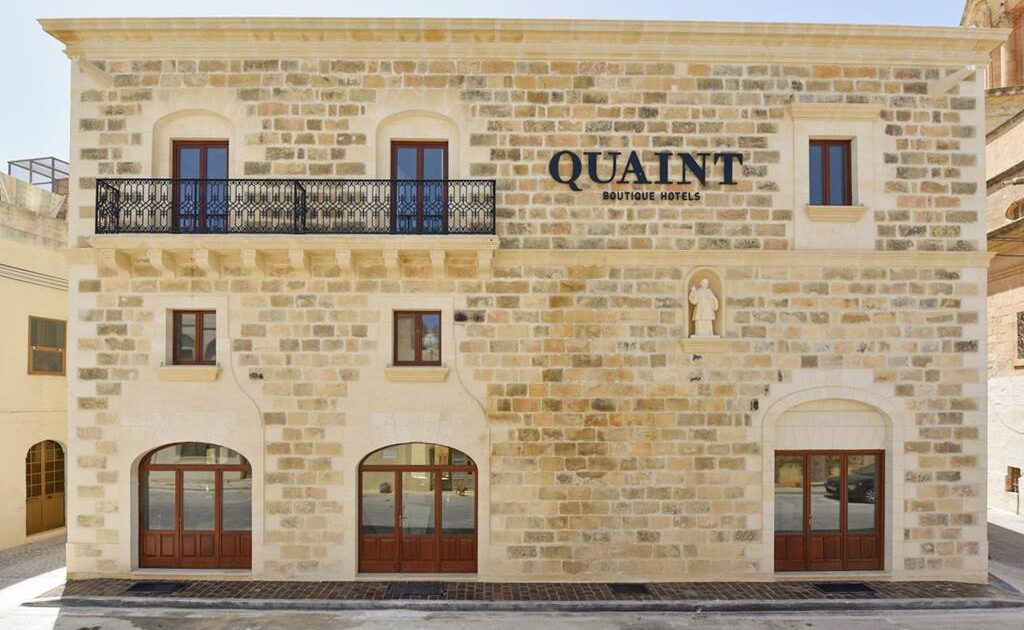
Many new residences and boutique hotels follow eco-conscious principles. For instance, they install solar panels, implement rainwater harvesting, and use energy-efficient cooling. Additionally, architects adopt minimalistic designs that blend with the traditional landscape. Some modern homes reinterpret farmhouse aesthetics by keeping limestone facades and adding large glass panels and open spaces to maximize natural light and ventilation.
Revitalization of Historic Buildings
Rather than demolishing old structures, owners and architects repurpose them creatively. They convert old mills, storehouses, and abandoned homes into galleries, Cand cafes. Consequently, Gozo’s unique architecture stays relevant today.
Preserving and Enhancing Gozo’s Unique Architecture
Gozo’s architectural journey balances honoring the past and embracing the future. This approach ensures the island retains its charm while meeting modern needs. Although urban development and tourism expansion pose challenges, local authorities and conservationists actively preserve Gozo’s unique architecture. Moreover, strict building regulations prevent excessive urbanization and maintain the traditional aesthetic.
Conclusion: A Living Legacy
Gozo’s architecture is more than buildings; it narrates the island’s story. Whether visitors wander Victoria’s streets, admire grand churches, or stay in restored farmhouses, they witness a harmonious blend of old and new. Ultimately, Gozo demonstrates how tradition and innovation can coexist to create a timeless landscape.