
Origins, Tradition, and Where to Find Authentic Pieces
Gozo, the quieter sister island of Malta, is renowned for its charm, traditions, and artisanal crafts. Among its treasures, Gozo lace stands out as one of the most beautiful legacies passed down through generations. This intricate art form tells the story of resilience, creativity, and culture. In this guide, we’ll uncover the history of Gozo lace, exploring its origins, evolution, and the best places to find authentic pieces today.

The Origins of Gozo Lace
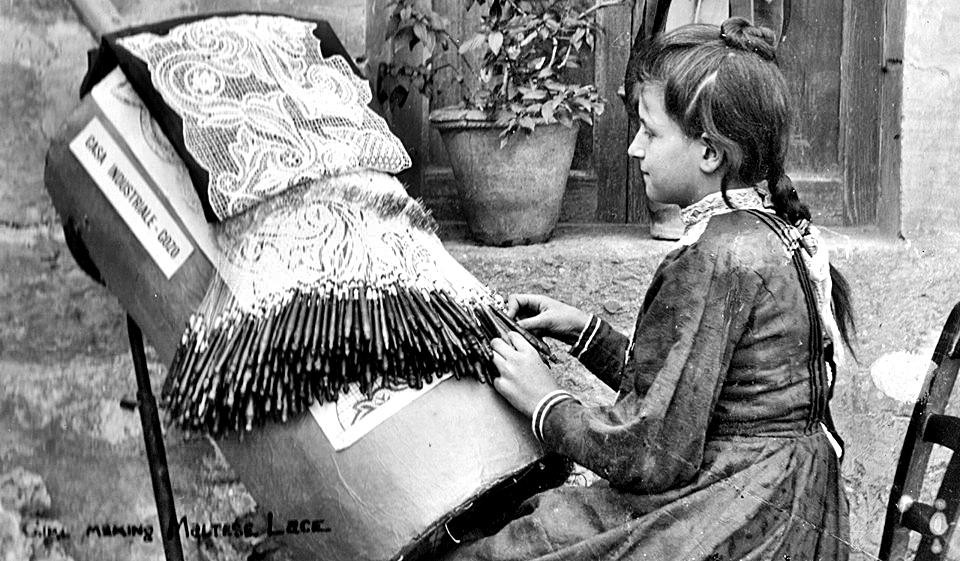
The history of lace in Gozo began in the mid-19th century, during British colonial rule. Officials encouraged local women to learn lace-making as a way to preserve cultural heritage and provide families with extra income. While Italian and French lace traditions had already flourished in Europe, Gozo soon developed its own distinct style. Lace-makers created delicate patterns, floral motifs, and precise needlework, often crafted with bobbins. What started as a simple home-based skill quickly grew into one of the island’s most admired traditions.
Evolution of Lace-Making in Gozo
Early Lace Production
At first, nuns in convents and village women produced lace in their homes. They drew patterns on parchment and patiently worked fine threads into intricate designs. Families used these creations for religious vestments, altar cloths, and bridal wear.
Influence and Innovation
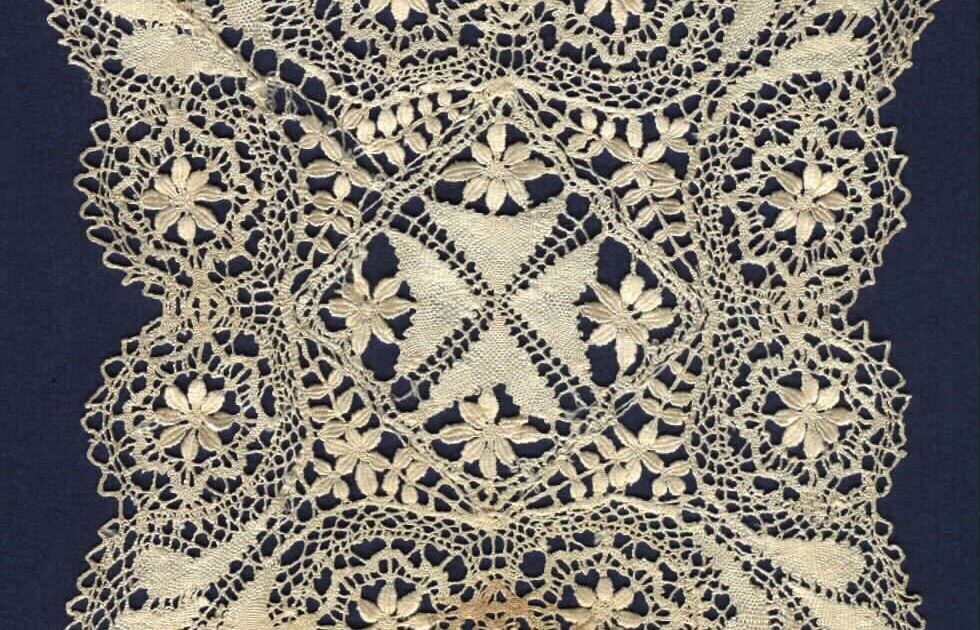
As years passed, Gozitan lace-makers added local influences to their work. They wove Maltese crosses, flowers, and geometric shapes into their patterns, giving the lace its own identity. By the early 20th century, Gozitan lace featured in international exhibitions and fairs. These events increased its value and reputation, transforming lace into both a cultural symbol and an important source of income.
The Cultural Significance of Gozo Lace
Gozo lace represents far more than decoration. It showcases the perseverance of Gozitan women, who relied on their skill to achieve financial independence at a time when opportunities were limited. Mothers taught daughters, passing lace-making down as a treasured family tradition. Even today, lace enhances weddings, religious feasts, and local ceremonies. Visitors admire its delicate beauty, while locals see it as a living connection to the island’s past.
Gozo Lace Today
Although machine-made lace exists, Gozitan artisans continue to craft authentic lace by hand. They keep the traditional bobbin technique alive, ensuring that the skill survives for future generations. Many also mix historic patterns with modern designs, creating lace products that suit today’s tastes. From table runners and doilies to scarves and fashion accessories, Gozo lace remains versatile and timeless.

Where to Buy Authentic Gozo Lace
Visitors can still find genuine handmade lace across the island. Buying directly from artisans not only guarantees authenticity but also supports Gozo’s cultural heritage.
Ta’ Dbiegi Crafts Village – Għarb is the heart of Gozo’s artisanal traditions. Here, lace-makers demonstrate their craft and sell handmade pieces, from small souvenirs to elaborate tablecloths. In Victoria (Rabat), several lace boutiques near Independence Square showcase elegant products created by local experts. Village markets in Xaghra, Nadur, and Għajnsielem also offer lace stalls, where you can meet artisans and learn their stories. Another highlight is the Gozo Lace Centre – Xewkija, which preserves the tradition with demonstrations, educational displays, and lace items for sale.
Conclusion
Gozo lace tells a story woven through generations. From its 19th-century beginnings to its role in modern-day fashion and culture, it remains one of the island’s most cherished traditions. When you explore Gozo, visit craft villages, shops, and markets. Not only will you discover breathtaking lacework, but you will also support the artisans who keep this heritage alive. Bringing home a piece of Gozo lace means carrying a tangible link to the island’s history and soul.