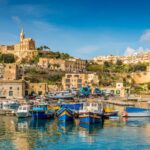
Gozo, the smaller sister island of Malta, is known for its dramatic coastlines, rustic charm, and layered history. But beyond the scenic cliffs and sleepy villages lies a heritage deeply anchored in the sea. Gozo’s fishing traditions are more than just an occupation—they represent a rhythm of life, a spiritual practice, and a legacy passed from one generation to the next. At the heart of this maritime culture is the luzzu, a vivid symbol of pride, identity, and survival.
A Lifelong Bond With the Sea
Fishing has shaped Gozo’s identity for centuries. Its central location in the Mediterranean made it a natural fishing hub. Gozitan fishermen still use knowledge handed down by their ancestors. Their connection to the sea goes beyond utility—it’s spiritual. It flows through folklore, daily habits, and the island’s culture.
In Gozo, fishing means more than work. It defines community. Fishermen speak of the sea with deep respect. To them, it’s both generous and unpredictable. During fishing trips, traditional sea chants called għana often echo across the water. These songs strengthen bonds and help pass on skills to younger fishers.
Traditional Techniques That Honour Nature
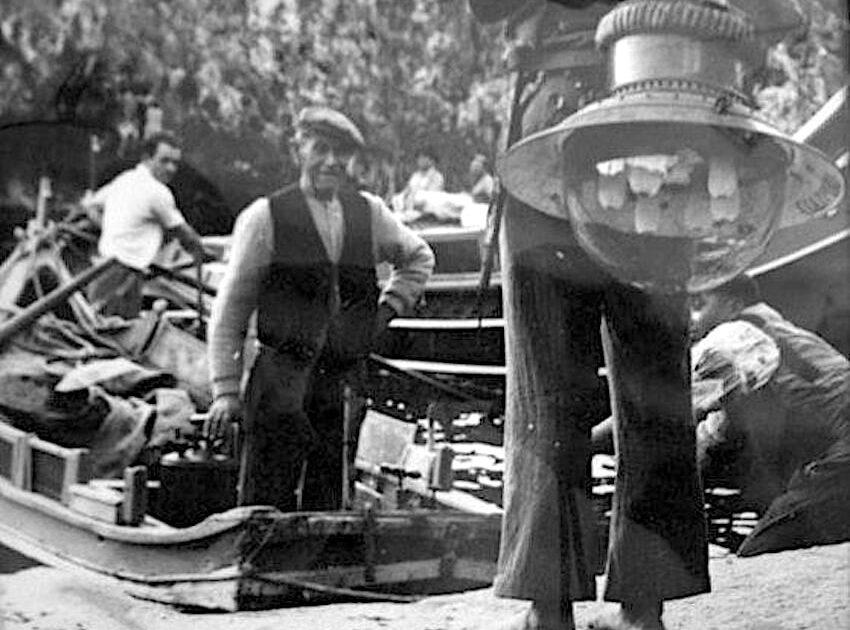
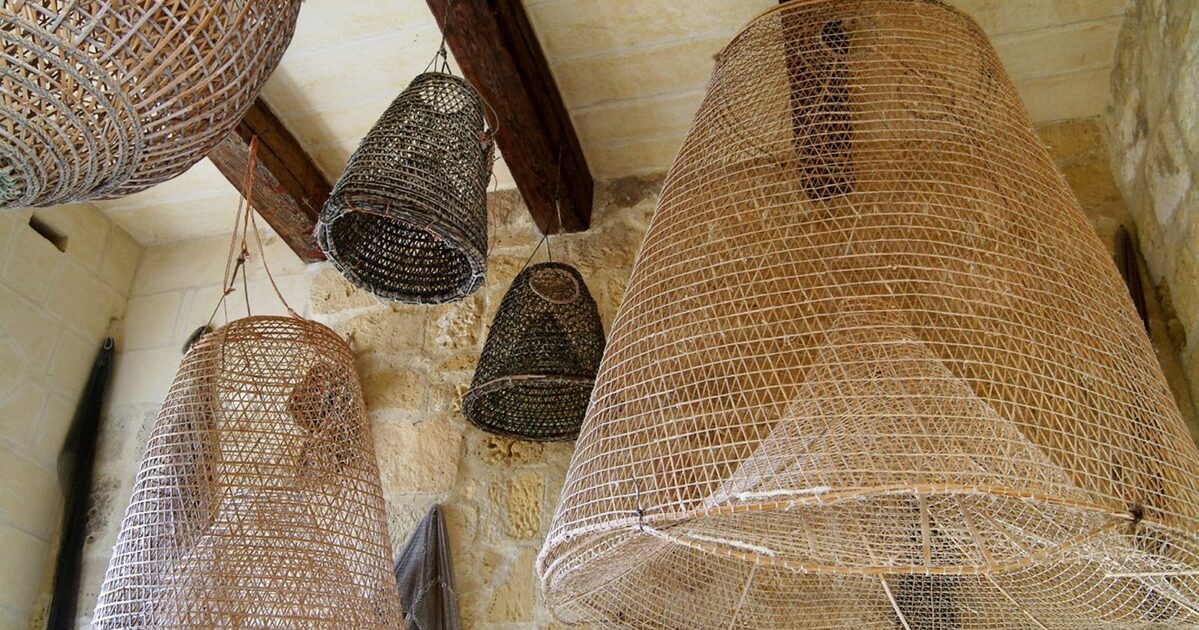
Gozo’s fishing relies on tradition and ecological respect. Artisanal methods still dominate. Fishermen use techniques like Lampara, which involves lighting lanterns at night to attract fish. Another method, kannizzati, is common during lampuki (dorado) season. It uses palm-frond rafts to lure fish into nets.
Instead of industrial tools, most fishers rely on hand-held gear such as nases (traps) and gill nets. These methods help target specific species while protecting the marine ecosystem. Fishers observe seasonal limits—not just by law, but out of respect. The sea provides, but it also demands care.
While swordfish, tuna, and amberjack are top catches, sustainability guides most choices. These age-old practices help protect both the sea and the next generation’s future.
The Luzzu: A Floating Icon of Gozo’s Fishing Traditions
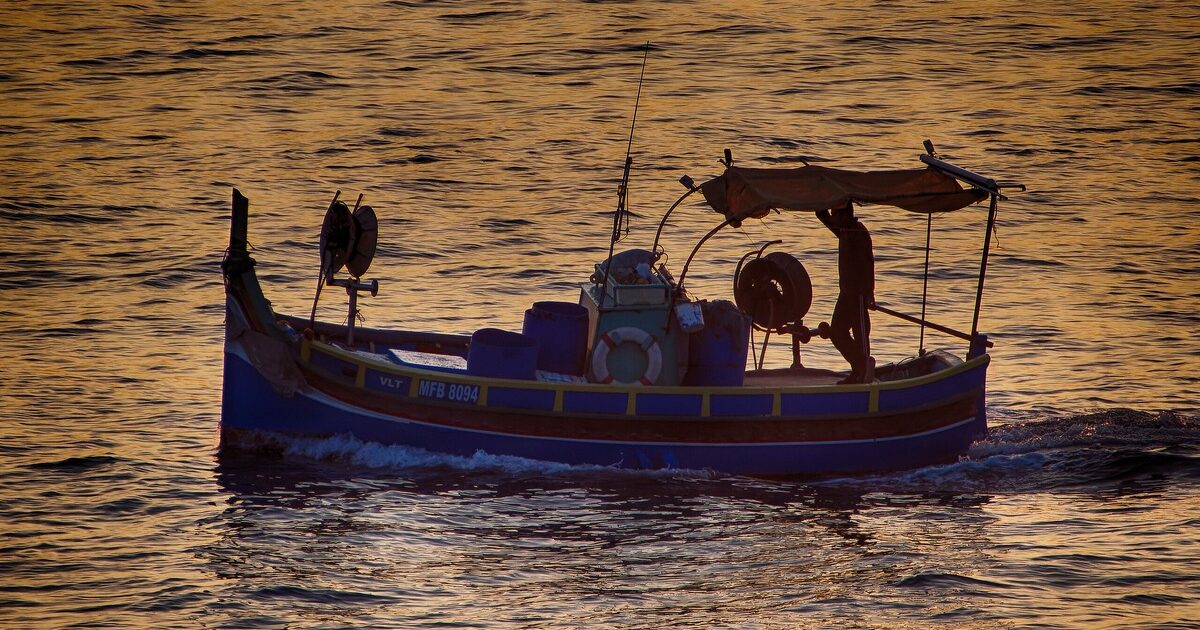
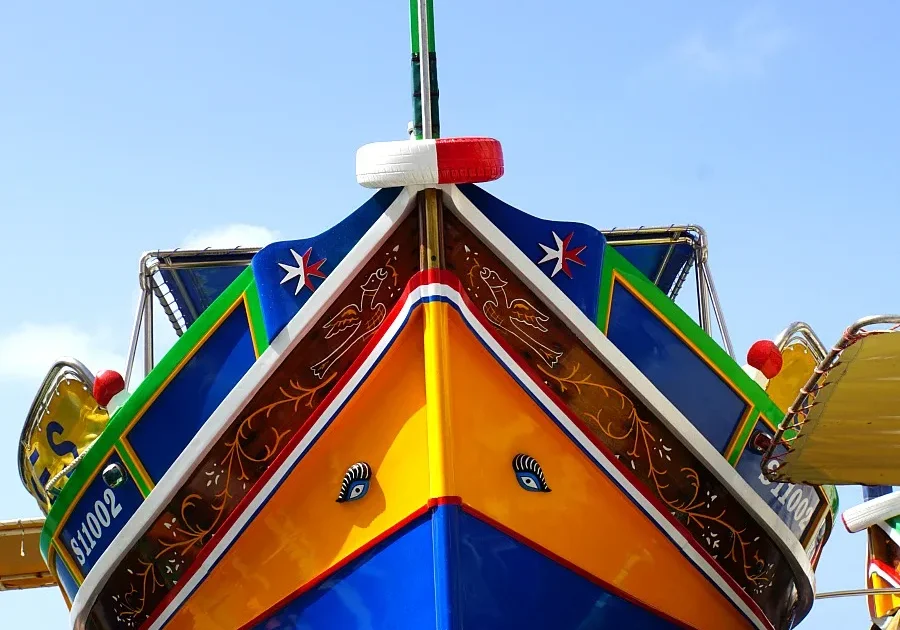
Nothing captures Gozo’s fishing heritage like the luzzu—a brightly painted wooden boat that has become a national symbol. Its roots lie in ancient Mediterranean vessels like the gozzo and ferilla. The modern luzzu took shape in the early 20th century and remains in use today.
Each boat bears bold stripes in reds, blues, yellows, or greens, reflecting its family or village. The painted Eyes of Osiris (or Horus) on the prow are believed to protect sailors—an old Phoenician tradition. Once rowed or sailed, most luzzijiet now run on motors. Still, families care for them with love and pride.
Names of fathers and grandfathers often appear on the timber, turning each boat into a family heirloom. Watching them sway in Mġarr, Marsalforn, or Xwejni shows that this heritage is still alive.
Fish Preservation: Resourcefulness at Sea
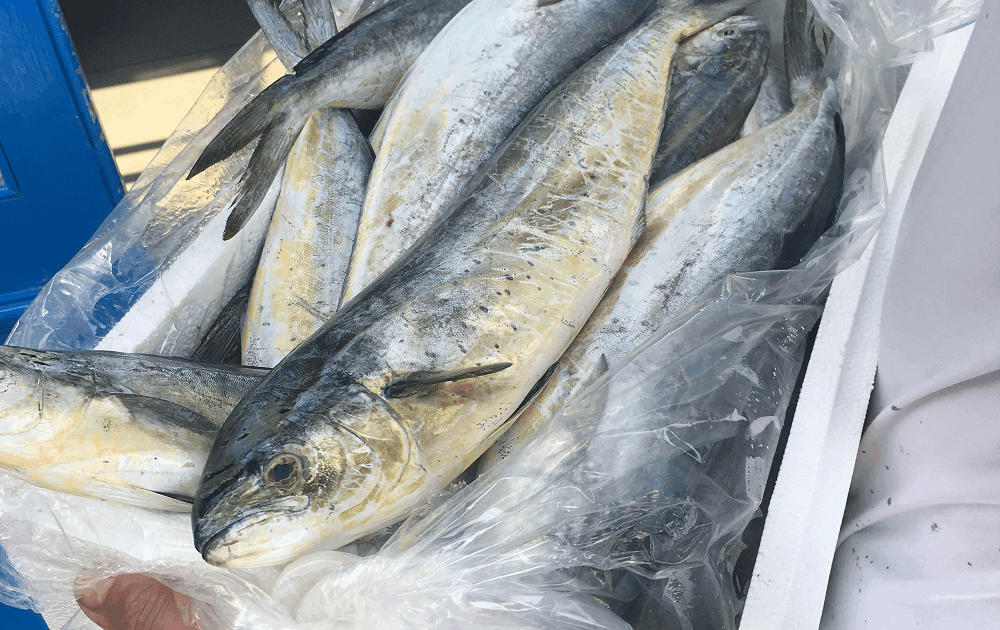
Before refrigeration, preserving the catch was vital. Gozitans developed ways like salting and air-drying, especially during peak fishing seasons. Salted cod, or bakkaljaw, became a kitchen staple, though most cod now comes from abroad. Even so, preserving local fish during lampuki season is still a proud tradition.
These methods weren’t just for survival—they were culinary crafts. Families passed them down like recipes. Salted fish still features in festive meals, especially at Easter and Christmas, tying today’s celebrations to seafaring history.
Celebrating Gozo’s Fishing Traditions Through Local Festas
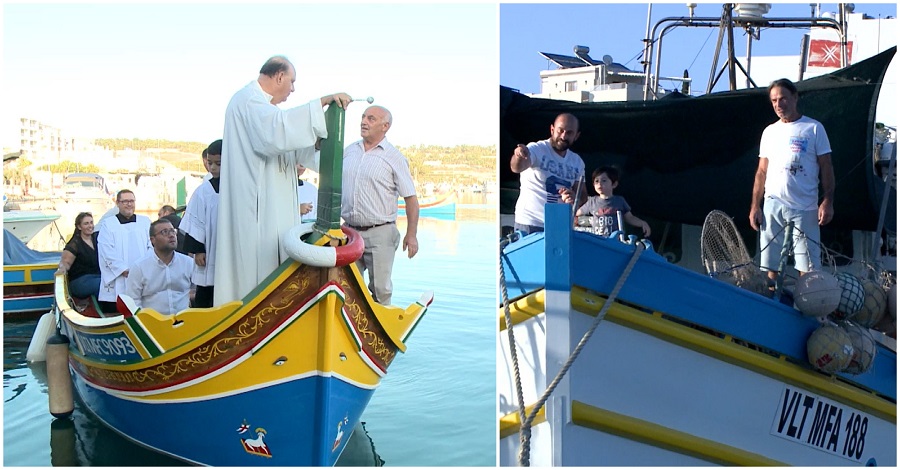
Religious festivals in Gozo often include blessings of fishing boats. These moments mix faith with celebration. Locals decorate luzzijiet with flowers, flags, and lights. Priests bless the boats, asking for safety and good catches. The harbours fill with fireworks, laughter, and the scent of seafood.
There’s no official “Festa tal-Luzzu,” but village feasts serve that role. Families swap stories, children climb into the boats of their ancestors, and the past comes vividly alive.
A Painful Memory: The 1948 Qala Tragedy
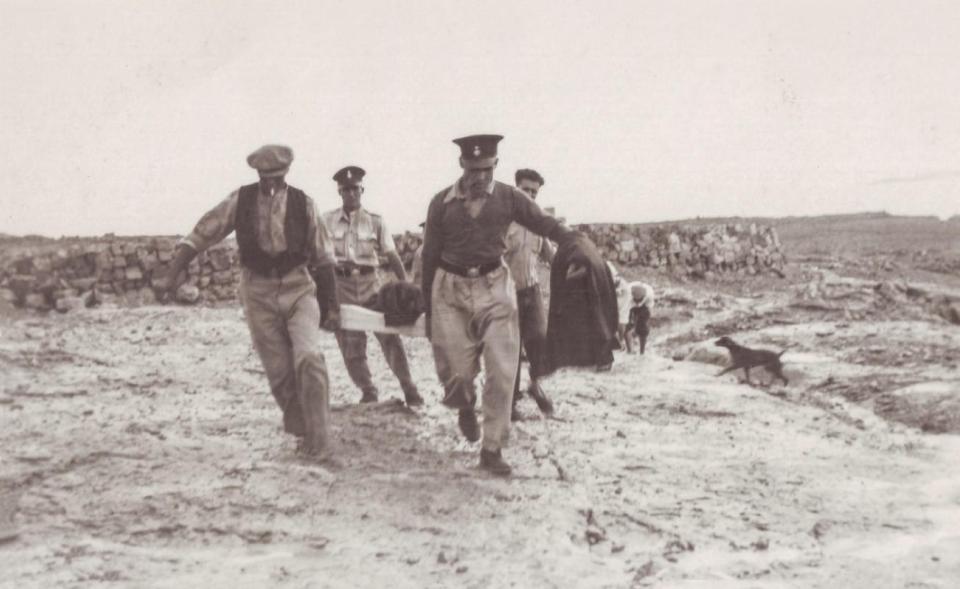
The sea also brings sorrow. On 30 October 1948, a luzzu capsized off Ħondoq ir-Rummien in Qala. It carried 27 people; 23 died. Most were young men travelling to work in Malta.
This remains one of Gozo’s darkest moments. Locals still remember it—especially those in fishing circles—as a harsh reminder of the sea’s dual nature: both bountiful and cruel.
Adapting to a Changing World
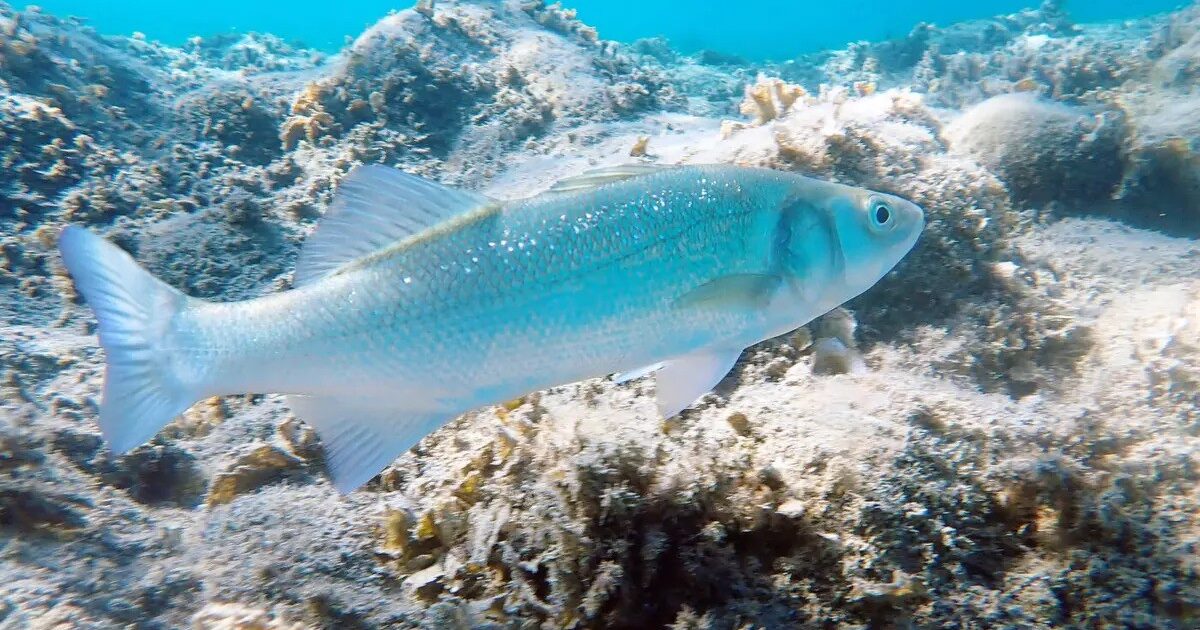
Gozo’s fishing world now faces modern threats. Overfishing, climate change, and economic shifts put old livelihoods at risk. Warmer waters and shifting fish patterns force fishers to adapt. Many young people seek different careers, drawn by stability.
But change brings hope too. NGOs and community groups promote marine conservation and sustainable zones. Some teach young Gozitans how to fish responsibly. These efforts blend tradition with progress and keep the culture alive.
Why Gozo’s Fishing Traditions Still Matter Today
Anchored in Identity
Fishing may no longer drive Gozo’s economy, but it still shapes its heart. You’ll find it in the tunes of għana, in the painted eyes on a luzzu, and in the hands of a fisherman mending his net at sunrise. It lives in every salted fillet and in every carved name on a boat’s hull.
Whether you’re a visitor admiring a quiet harbour or a local recalling stormy nights, exploring Gozo’s fishing traditions means touching the soul of the island—humble, enduring, and forever tied to the sea.